

WireGuard VPN. A simple tunnel, a clear scope.
WireGuard creates a tunnel using modern cryptography. It is the primary candidate for TeknoWeb’s service because of its straightforward key model and device setup, rather than an untested speed claim.
- 3 separate device profiles
- 300 GB monthly traffic
- Turkish setup support
What will you use your VPN for?
Choose your use case to see the key difference between the two plans.
Compare prices directly below or choose a plan here based on your intended use.
VPN plans and pricing
Choose shared VPN for everyday access or Dedicated IP VPN for work resources that need an account-specific IP. Both plans propose three profiles and a shared 300 GB monthly account pool.
TeknoWeb VPN
Shared exit for everyday use
Proposed monthly price
TRY 199.00/ month
Connect using your own WireGuard keys while sharing the outbound IPv4 with other service users.
- Shared outbound IPv4
- 3 separate device profiles
- 300 GB monthly account pool
- Helsinki data-centre exit
- Turkish setup and connection support
Preparing for launch · Your selected plan is carried into the contact form.
TeknoWeb Dedicated IP VPN
For work resources with IP allowlists
Proposed monthly price
TRY 599.00/ month
Use an outbound IPv4 assigned exclusively to your account for consistent access to panels, SSH and work resources.
- Exclusive fixed outbound IPv4
- 3 separate device profiles
- 300 GB monthly account pool
- Helsinki data-centre exit
- Turkish setup and connection support
Preparing for launch · Your selected plan is carried into the contact form.
Prices for pending plans are proposed VAT-inclusive amounts, not currently purchasable offers. Taxes, billing period and the final total will be shown when ordering opens.
Know exactly what your VPN includes.
An exit IP that fits your needs
Choose a shared exit for everyday use or an exclusive IPv4 for work resources with IP allowlists. Understand the difference before purchasing.
A separate profile for each device
Three connection profiles are planned for supported phones, computers and other devices. Separate keys make device replacement and access revocation easier.
Choose with a clear scope
The proposed 300 GB monthly pool is shared across account profiles. Helsinki location, device count and setup support are stated alongside each plan.
See the path your connection takes.
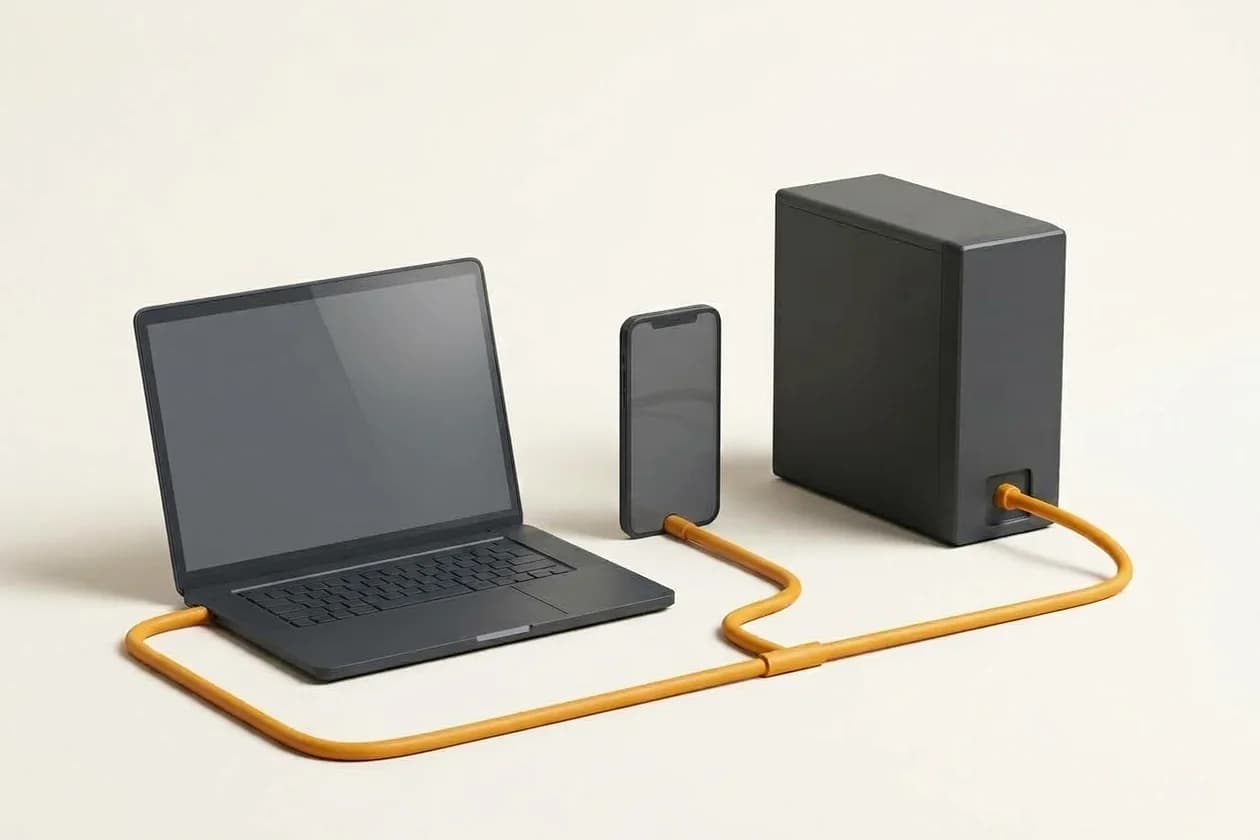
Switch between shared and dedicated IP examples. Explore the relationship between devices, the encrypted tunnel and internet exit without a live connection.
In this example, multiple customers share the same outbound internet IPv4.

One exit IP. Clearly defined work access.
Plan an account-specific exit address for SSH, administrative panels and cloud resources. Destination allowlists and user authentication require separate configuration; team management and private LAN access are not included in the standard plan.
Dedicated IP VPNUnderstand both the advantages and the limits.
How WireGuard works
Each device uses a key pair. The server knows allowed public keys and routing rules; the client knows the server’s public key and endpoint. When enabled, traffic covered by the profile goes through the tunnel. Separate keys support per-device access and revocation. Files and QR codes contain private credentials and must be protected. Sharing one profile widely undermines separate device management.
WireGuard versus OpenVPN
WireGuard offers a straightforward protocol and key model. OpenVPN supports TCP as well as UDP, mature certificate management and different authentication integrations. TCP can help on networks that block UDP. Neither protocol name proves service quality. An OpenVPN backup is not currently an active TeknoWeb feature; automatic switching cannot be promised before a server and client workflow exists and is tested.
UDP and filtering limitations
WireGuard has no built-in TCP mode or traffic obfuscation. If a network blocks UDP, the standard connection may fail. Using UDP port 443 does not turn packets into ordinary HTTPS. Success on one network does not prove universal reachability. Obfuscation options such as AmneziaWG add client and operational requirements. Real testing is more useful than an unblockable-VPN claim.
Privacy, DNS and disconnections
WireGuard does not automatically establish anonymity or a no-logs policy. Account, billing and operational data require a clear privacy policy. DNS, IPv6 and disconnect behaviour depend on the client and operating system. A kill-switch label is not enough: test the actual scenario on your device. Encryption does not prevent a destination account from identifying you or repair security issues on your device.
Shared IP or your own dedicated IP?
Both plans provide a VPN connection. A dedicated IP does not mean the server’s CPU and memory are dedicated to you.
| Service feature | Shared VPN | Dedicated IP VPN |
|---|---|---|
| Outbound IPv4 | Shared with other customers | Assigned exclusively to your account |
| IP allowlisting | Does not distinguish your account | An account-specific exit address |
| Device profiles | 3 separate keys | 3 separate keys |
| Monthly traffic | 300 GB across the account | 300 GB across the account |
| Location and protocol | Helsinki · WireGuard | Helsinki · WireGuard |
| Dedicated physical server | Not included | Not included |
Before choosing your plan
300 GB combines uploads and downloads across all profiles; it is not a separate allowance per device. Three profiles are not a three-person team licence. Speed depends on your connection, route and concurrent usage. An IP allowlist does not replace authentication or a firewall.
App, profile, connection: three steps.
- 1
Install the app
Install the official WireGuard client for your operating system. Verify the source and publisher.
- 2
Add a device profile
After activation, import the device-specific file or scan a QR code in a supported mobile client. Keep your keys private.
- 3
Verify the connection
Activate the tunnel and check the exit IP, DNS behaviour and intended resource. Test disconnect and IPv6 behaviour on your device.
Official client and protocol resources
Frequently asked VPN questions
Is WireGuard free?
The open-source protocol has no licence fee. A hosted service charges for infrastructure, exit IPs, operations, traffic management and support.
Is WireGuard better than OpenVPN?
WireGuard is a strong choice for straightforward connections on normal networks. OpenVPN may fit TCP transport and broader authentication needs better. There is no universal winner.
Can WireGuard provide a dedicated IP?
Yes, through server routing and IP assignment. The protocol alone does not allocate an exclusive address to a customer.
Does WireGuard work on every network?
No. UDP restrictions and filtering can affect connectivity. There is no built-in TCP mode and port 443 alone does not disguise traffic.
Is TeknoWeb’s OpenVPN backup ready?
It is not an active plan feature yet. It will be announced separately if the required server and client workflow is implemented and tested.
Find the right connection for your needs
Choose your plan. Let’s clarify your needs.
Select a suitable plan and reach us through the contact form. Your selection is added to the message so we can discuss scope and setup needs.